All reports

  • 2025
  • Annual Report 2025

  • 2024
  • Annual Report 2024

  • 2023
  • Annual Report 2023

Highlightsof 2025

Building envelope

Smart solutions for façade renovation

Façades today must be far more than just aesthetic.

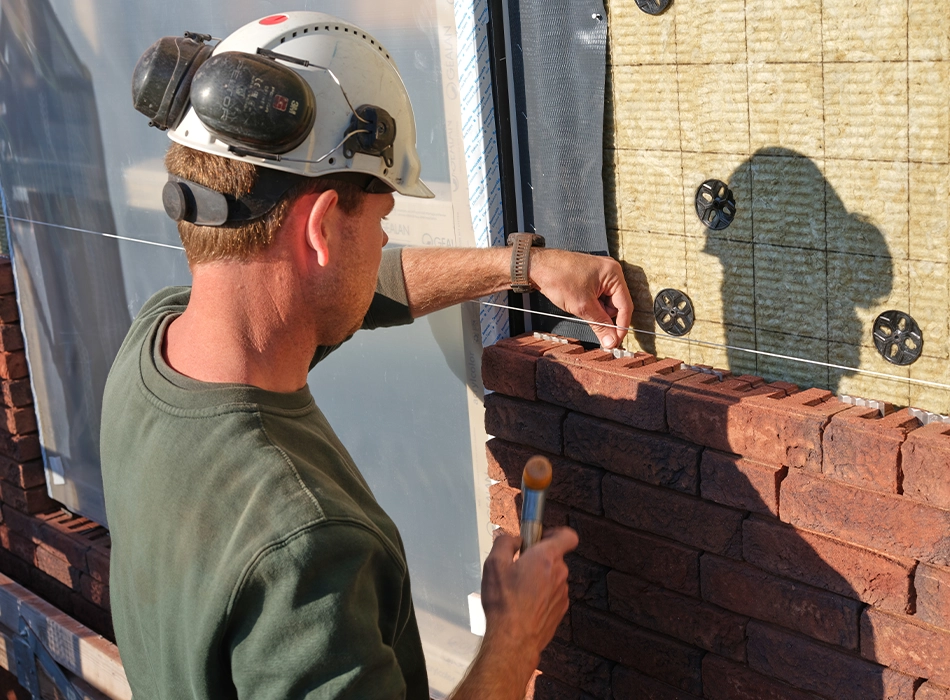
A worker lays bricks during the renovation and extension of the historic Orangery in Baarn, the Netherlands, using the wienerberger ClickBrick system (photo)

Renovation and Refurbishment

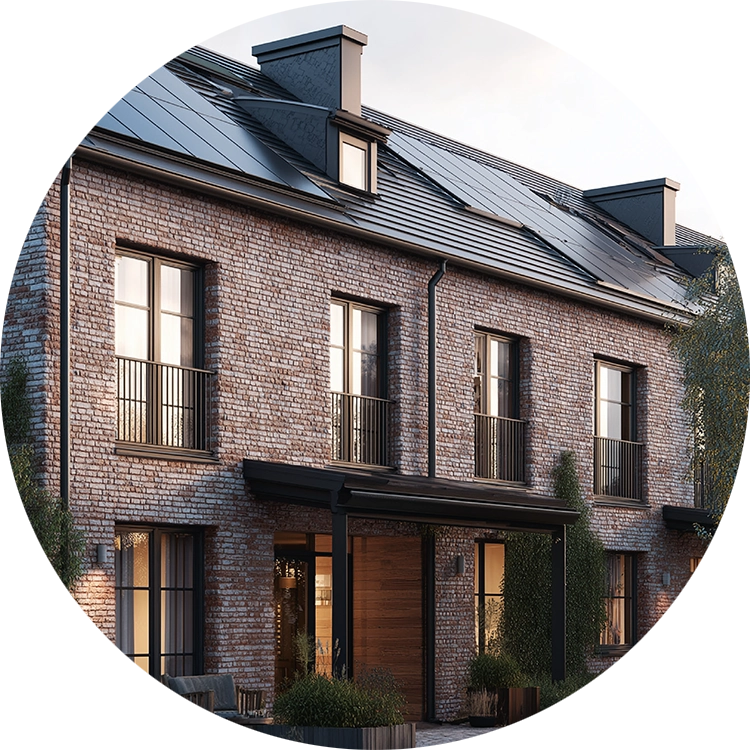
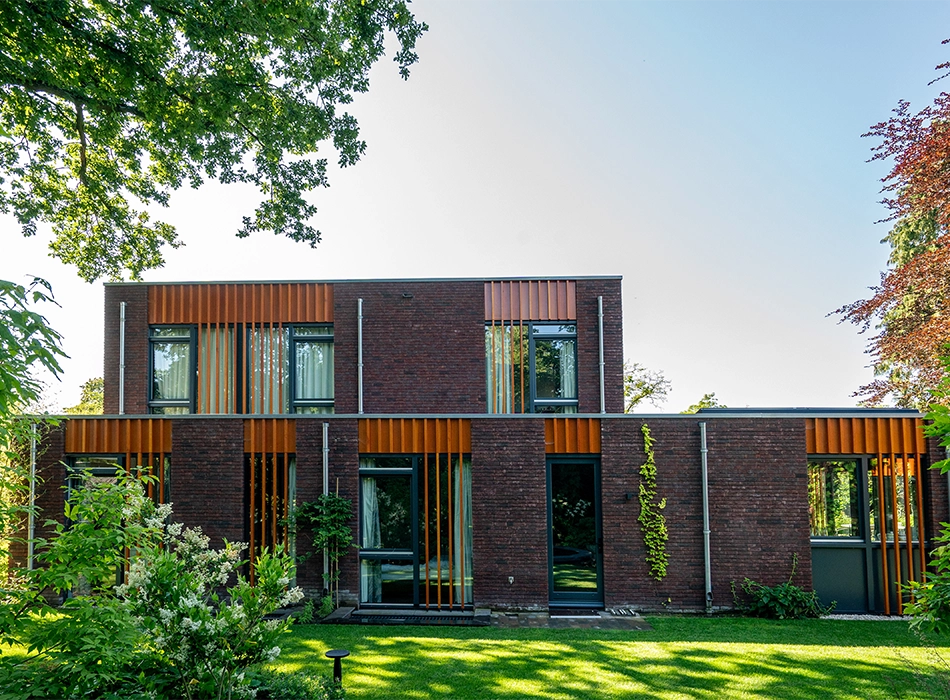
Facade built with the wienerberger ClickBrick system. (photo)
House with garden and ClickBrick wall by wienerberger (photo)

High requirements in terms of functionality, workmanship, sustainability, and maintenance call for innovative, future-ready solutions that conserve both resources and costs.

How these requirements can be successfully combined is demonstrated by the renovation and extension of the historic Orangery in Baarn, Netherlands, using the wienerberger ClickBrick system.

Around 140 years after its construction, the condition of the late-19th-century Orangery required a comprehensive renovation: the roof was leaking and the façade showed cracks. Under architect Martin Groenesteijn, an innovative concept was developed for the renovation and extension of the building, taking aesthetics, functionality, and sustainability into account.

ClickBrick: building without mortar and adhesives

For the façade, ClickBrick was selected: a modular drystack system by wienerberger that requires no mortar or adhesives and can be easily integrated into existing buildings. The bricks are mechanically connected and can therefore be dismantled, replaced, and reused at any time. This simplifies building maintenance and promotes circularity. Compared to conventional façade solutions, ClickBrick reduces both material consumption and waste, thus representing a responsible use of resources. At the same time, the façade system meets the requirements of contemporary design. Free from deformation-prone plastic joints, the façade achieves a seamless and harmonious appearance. ClickBrick therefore provided the optimal solution for a sustainable and aesthetically pleasing renovation of the historic building.

Sustainability

Energy transition with wind and solar power

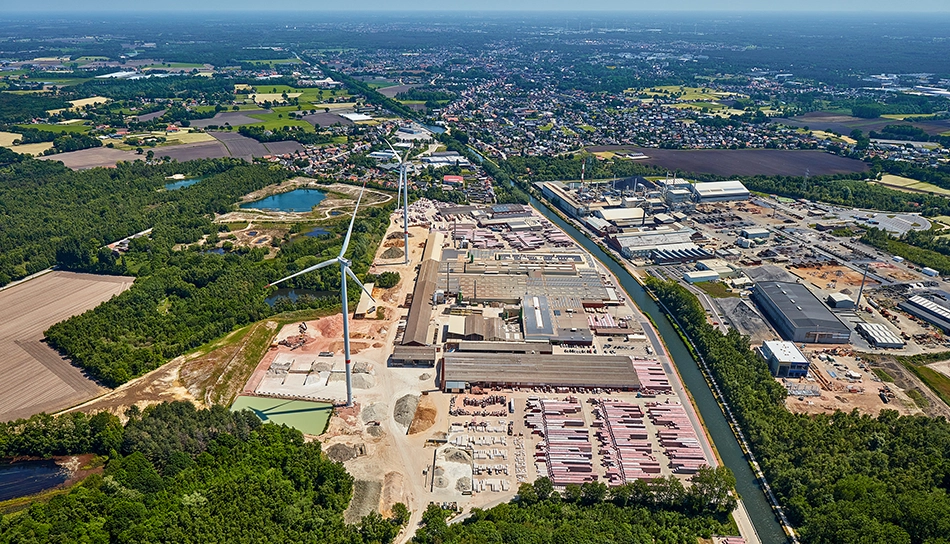
Fair winds for the energy supply of the future: wienerberger Belgium is setting standards for the transition to clean electricity at its site in Beerse.

Aerial view of the wienerberger brick plant in Beerse, Absheide, with two wind turbines on the site next to the canal and a small forest. (photo)
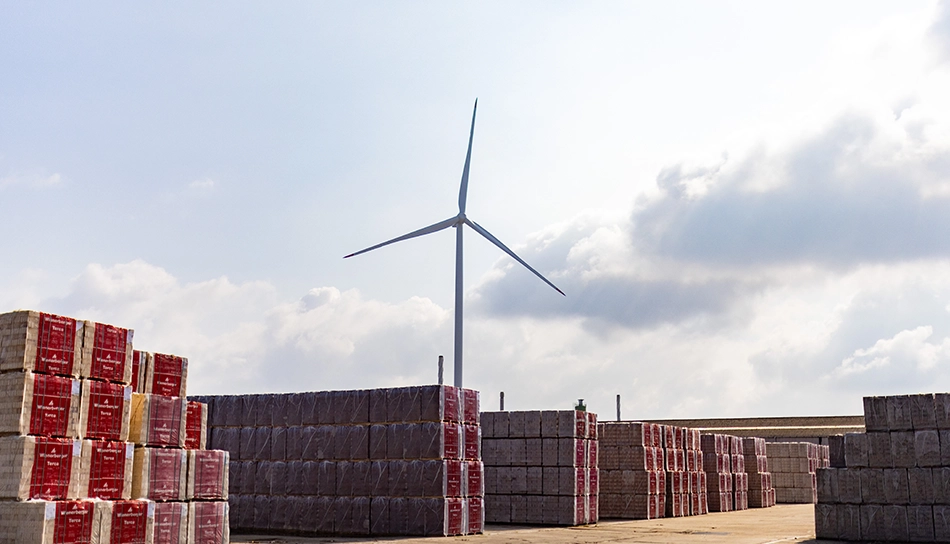
Low-angle view of a wind turbine and stacks of bricks at the wienerberger brick factory (photo)

The Beerse brick plant in Absheide is one like many others – but only at first glance. Situated between small woods and on the banks of a canal, it has two wind turbines on site. Their rotor blades turn majestically in the wind, generating the electricity that is used at the plant.

At wienerberger’s brick plant in Beerse, Belgium, we are consistently advancing decarbonization. At this site, two wind turbines generate around 16,000 megawatt-hours of renewable electricity annually, half of which is used for brick production. The remaining portion is fed into the grid. Photovoltaic panels installed on the plant’s roofs supply additional green electricity. Any electricity demand that cannot be covered by our own generation is sourced from renewable energy.

Another special feature of the project: The wind power plants are part of a unique participation model. The 90 families who live closest to the turbines were able to choose one of three options: For wienerberger Belgium to pay a portion of their electricity bill. Or to opt for an “Eco voucher” – which is commonly used in Belgium to buy goods and services with added ecological value. Alternatively, they can even receive a share of the profits from the turbines thanks to a partnership with Campina Energie. Families enjoy these benefits for the first 15 years from the date the wind turbines are taken into operation.

Read more at wienerberger.com

The wind turbines have a tip height of approx.

200

meters

Each year, the two wind turbines produce roughly

16,000

MWh

Approximately

90

families benefit from the project

Innovation

Industry 4.0 at wienerberger

Data science is an important tool in Industry 4.0 and a key factor in wienerberger’s future viability.

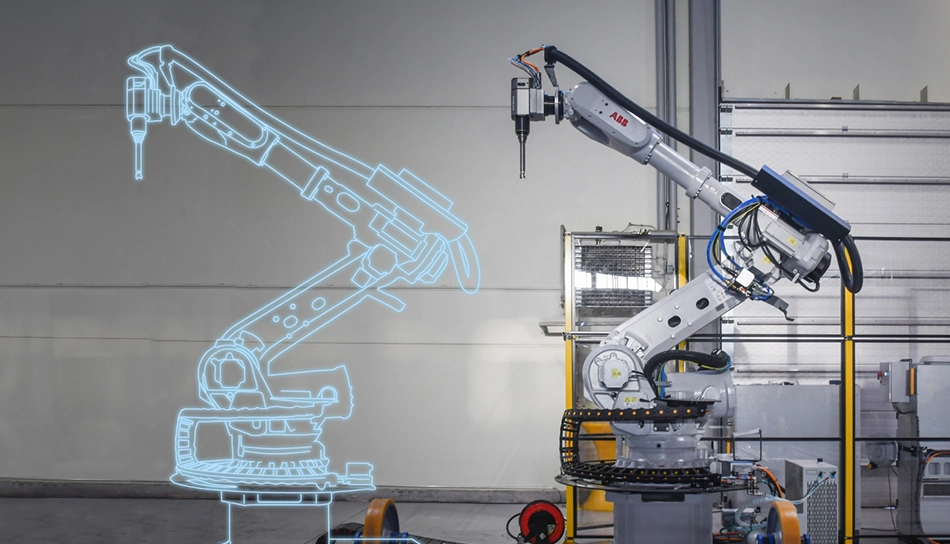
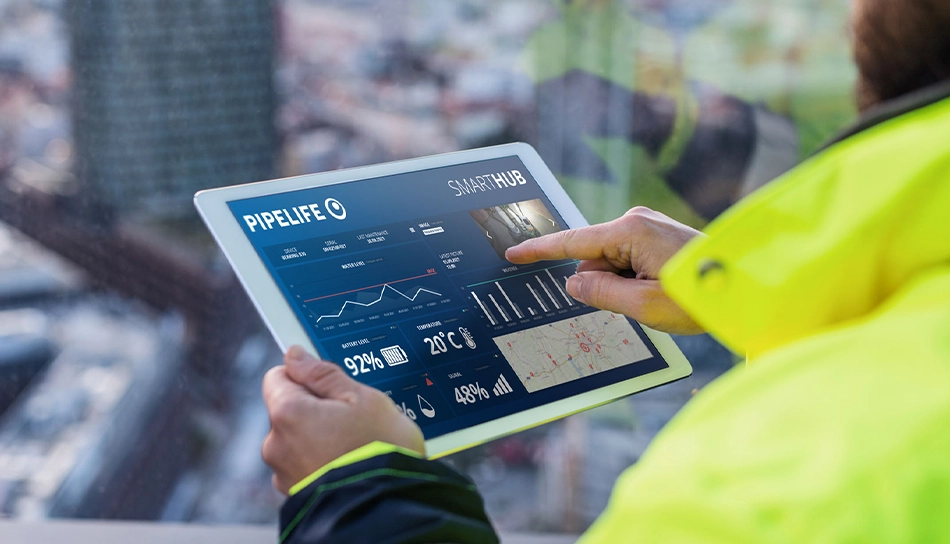
Digital twin in wienerberger’s production monitors plant and processes in real time (photo)
Man interacting with a tablet, Pipelife visible on the screen (photo)
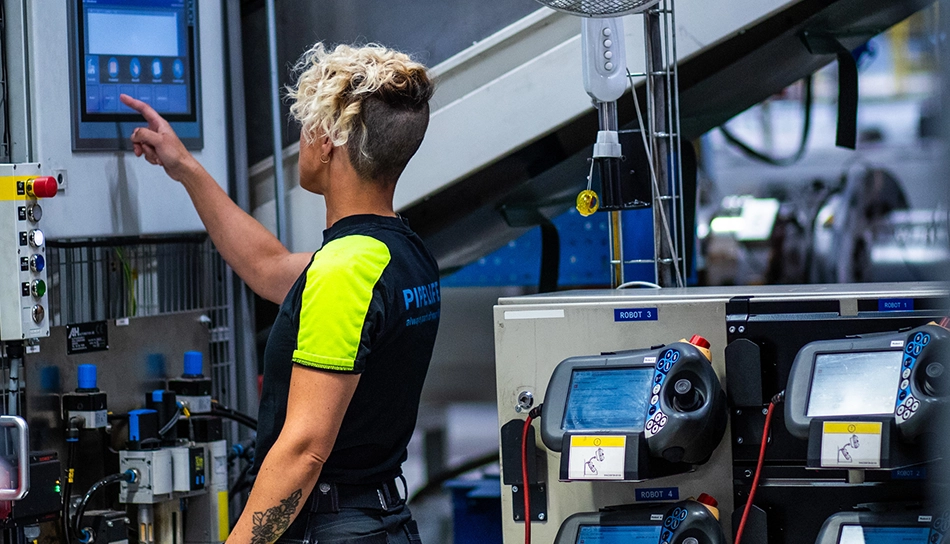
Person wearing a T-shirt with “Pipelife” on the back, operating a machine in production (photo)

The collection and processing of large volumes of data provide deep insights into processes and enable data-driven control of production, thereby increasing efficiency, quality, and sustainability.

Better decisions based on data

From material composition and machine utilization to kiln temperatures – the volume of data generated in production is enormous and holds significant potential. wienerberger uses this data in a targeted manner to drive improvements and is advancing data science across all business areas. We are progressively capturing all relevant data at our production sites and consolidating it on a central data platform, where it is intelligently linked and processed using artificial intelligence. This provides well-founded insights that support the optimization of production.

Digital twins in production

For several years, wienerberger has been using digital twins in production. As virtual replicas of real plants, machines, or entire manufacturing processes, they enable real-time monitoring of production. They immediately identify deviations from planning, excessive scrap rates, redundancies, or above-average resource consumption, allowing timely and effective corrective action.

Based on this real-time information, processes and products can be simulated and optimized, and the insights gained can be transferred to actual production. Production speed and efficiency can be increased, while material usage and costs are reduced. As a result, digital twins pave the way for resource-efficient, cost-effective, and future-oriented production.

Digital twins therefore make an important contribution to reducing CO2 emissions in brick production. At the Enkhuizen plant of the Pipelife solutions brand in the Netherlands, for example, the use of a digital twin in the extrusion process for drinking water pipes enabled us to optimize resource consumption while simultaneously improving quality. The result: pipes with thinner wall thicknesses and higher pressure and impact resistance.

Read more at wienerberger.com

Infrastructure

Preflex Spider: tailor-made electrical installation

Completing the structural shell of a residential high-rise with 131 apartments in just 14 weeks – an ambitious goal.

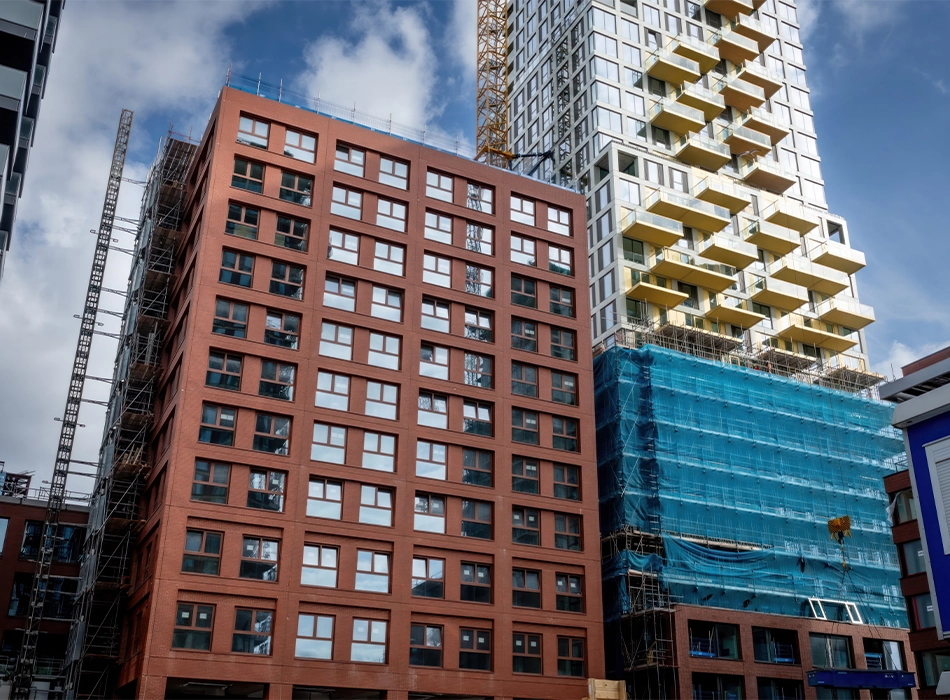
Exterior view of the SPOT construction project in Amsterdam (photo)

Infrastructure solutions for energy management

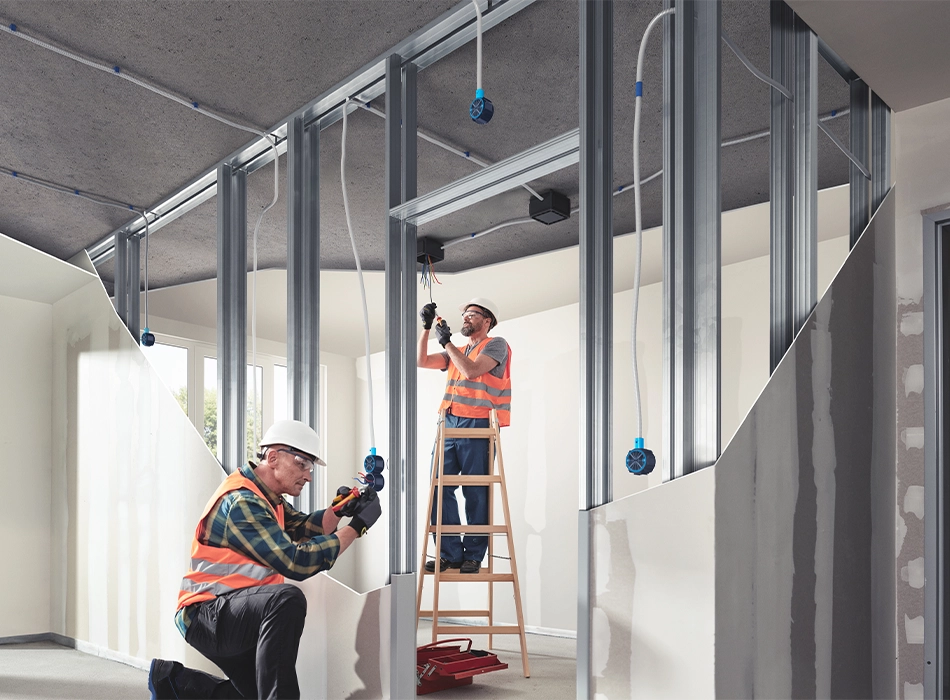
Two men in orange safety vests working inside the SPOT construction project in Amsterdam (photo)

At the SPOT Amsterdam construction project, this became reality thanks to Pipelife’s ready-to-install electrical solutions. They enable installation in record time and thus make a significant contribution to construction progress.

SPOT Amsterdam is an urban development project in the Dutch capital comprising more than 1,000 apartments as well as office, commercial, and leisure spaces. Accordingly, the requirements for the technical infrastructure are high – ranging from power supply and data networks to solar installations.

Prefabricated wiring for tight schedules

Particularly challenging was the construction of the eleven-story residential tower “Coral”. The planned construction period of 14 weeks required a solution that combined speed, precision, and quality – and Pipelife delivered it. With customized, pre-wired electrical installation conduits that were already tested at the factory, on-site installation could be significantly accelerated.

The ready-to-install systems only needed to be rolled out and connected on site, saving time, labor, and costs – without compromising on quality. As a result, up to three apartments could be electrically equipped per day.

Building envelope

Infrastructure

Innovation

Innovative products and solutions for the future of construction

With modern technologies, we drive forward creative solutions that deliver added value for our customers, society, and the environment.

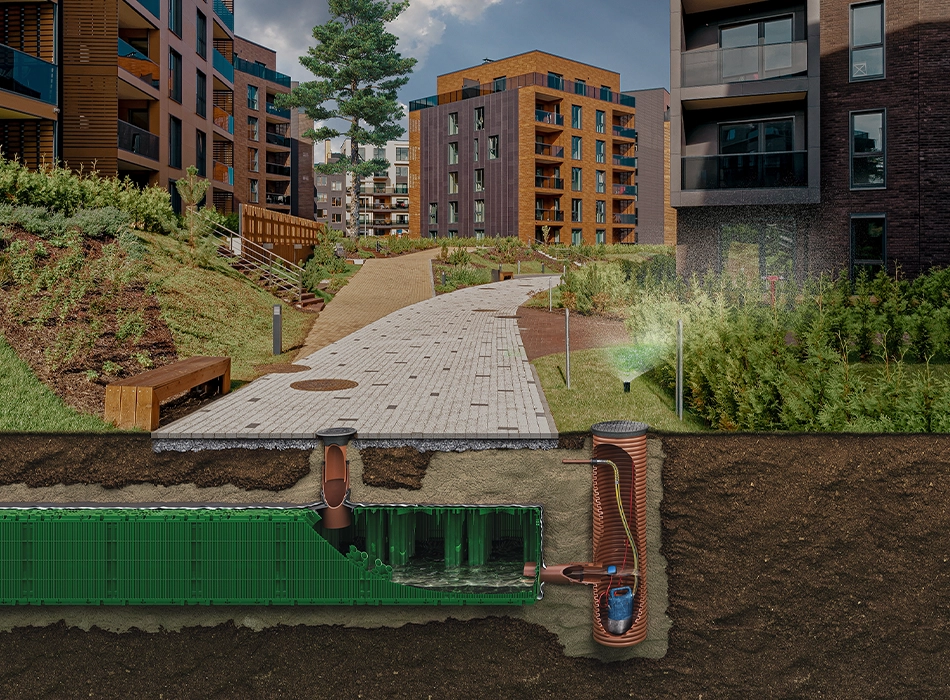
Animated cross-section of a building complex with a smart water and energy management system (photo)

With modern technologies, we drive forward creative solutions that deliver added value for our customers, society, and the environment.

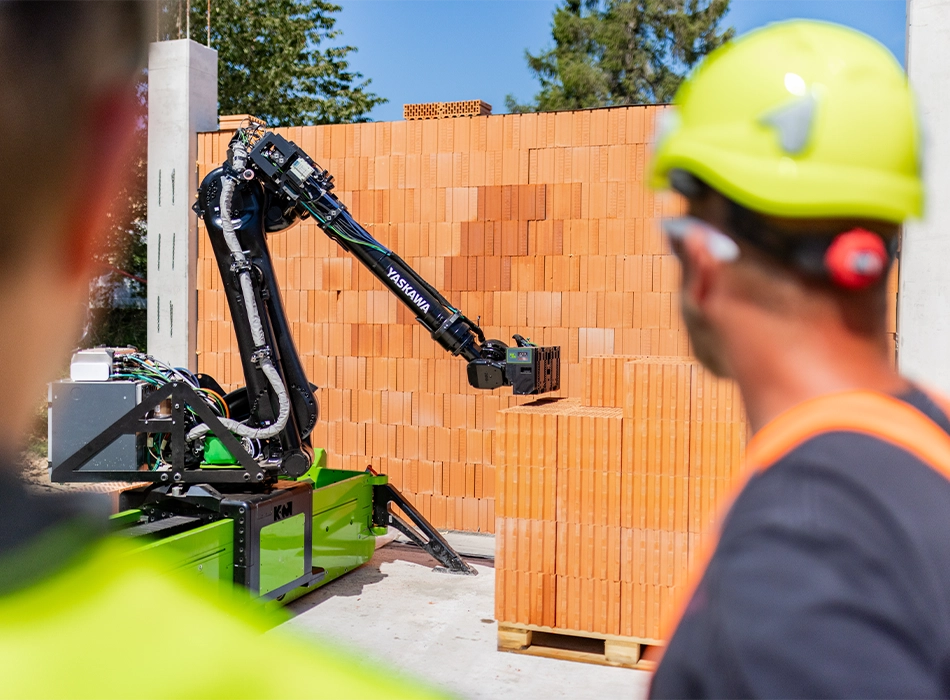
Europe’s first commercial masonry robot: WLTR in operation (photo)
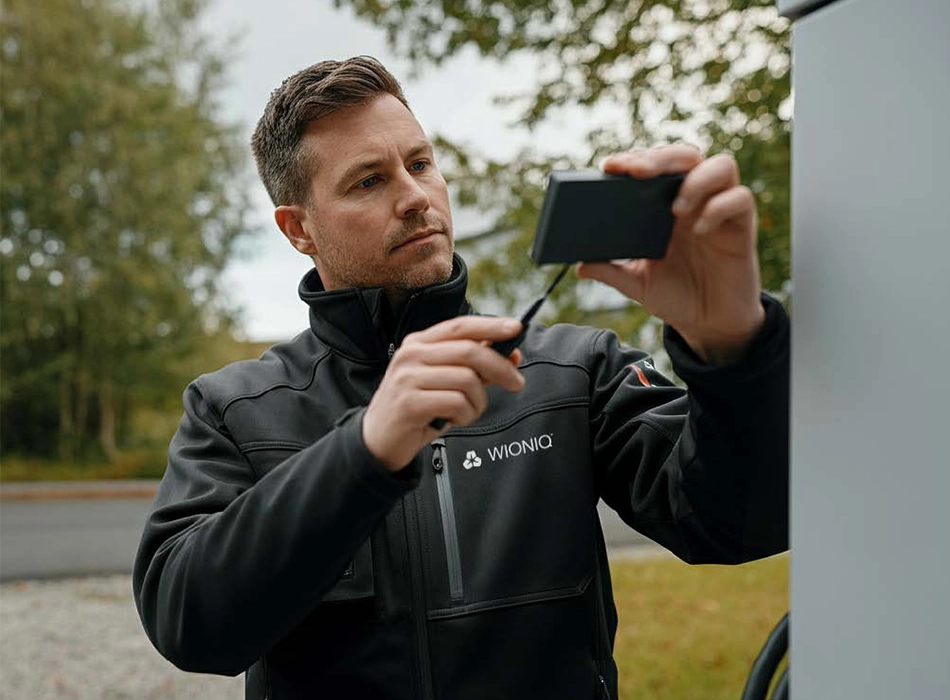
Man in workwear operating a handheld device (photo)

Our goal is to offer our customers innovative products and solutions that are even easier and faster to install while meeting all sustainability requirements.

wienerberger is advancing comprehensive digitalization and automation.

Smart water and energy management

With the establishment of Wioniq, wienerberger strengthens its expertise in data-driven solutions for the management and monitoring of water and energy infrastructure, thereby optimizing building operations. Innovative IoT technologies capture and analyze key system parameters, provide actionable recommendations, and control operational processes, increasing efficiency and reliability in water and energy management.

Sustainable energy supply

With the new generation of pipes from the SoluForce solutions brand, wienerberger sets a milestone in the transport of renewable energy. For the first time, it enables the safe transport of green hydrogen using plastic pipes under high pressure. The plastic pipes are not only quick and easy to install but also maintenance-free. Compared to steel pipes, they generate four times lower CO2 emissions over their entire life cycle. The piping system is also suitable for the transport of biogas, paving the way for a safe and sustainable energy supply.

Fast construction with WLTR

To accelerate construction processes and address the shortage of skilled labor, wienerberger has developed WLTR, the fi rst commercial masonry robot in Europe. WLTR automates the bricklaying process, constructing walls more than three meters high at a speed of five to six square meters per hour. State-of-the-art sensor and LiDAR technology enable precise placement of the bricks. As a result, housing can be created faster, more cost-effectively, and more efficiently – without compromising on quality.

  • › Through digitalization and automation, we drive innovative solutions that are even faster and easier to install while meeting all sustainability requirements.
  • › Data and state-of-the-art IoT technologies enable the targeted optimization of our products and processes.

Infrastructure

Drip irrigation in agriculture

Heat, drought, and water scarcity: climate change is intensifying the conditions for agricultural production.

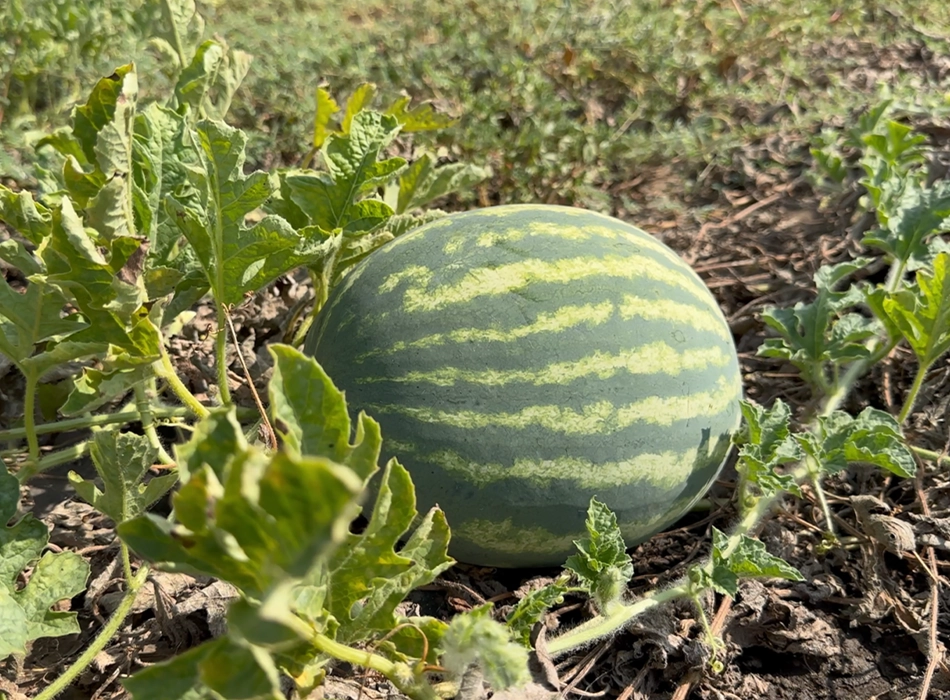
Gheorghe Doja, a Romanian watermelon grower, uses Pipelife’s drip irrigation system for efficient watering (photo)

Infrastructure solutions for water management

Watermelon lying in the field of a plantation in Romania (photo)

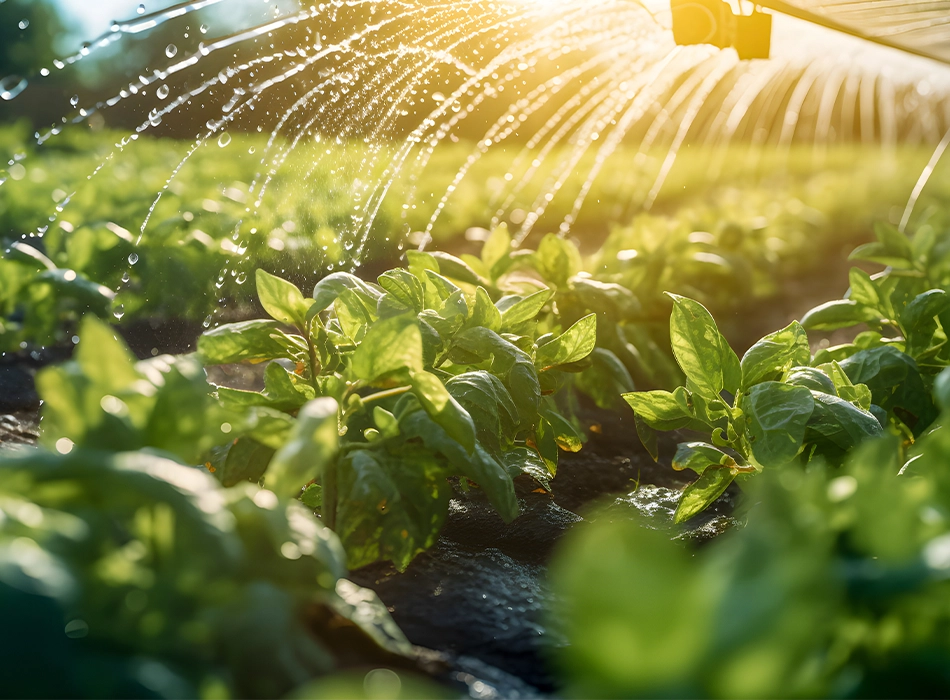
To remain successful under these circumstances, irrigation systems are required to secure yields while using resources responsibly.

Romanian watermelon producer Gheorghe Doja has found the ideal solution with Pipelife’s efficient drip irrigation system.

Maximum yield with minimal water use

The agricultural cooperative Gheorghe Doja is a leading producer and wholesaler of watermelons in Romania’s Ialomița region. Watermelons have been cultivated on an agricultural area of more than 100 hectares for several years. However, the increasingly dry climate poses growing challenges for the farming operation. For optimal growth, watermelons require a total of between 400 and 600 millimeters of water over their entire growing cycle. This corresponds to 400 to 600 liters per square meter within just a few months – an amount that natural rainfall cannot provide. The cooperative therefore opted for Pipelife’s drip irrigation solution.

Efficient water utilization, stable harvests

The system is designed to achieve maximum yields with minimal and highly targeted water use. The results speak for themselves: the innovative irrigation solution enables both efficient water utilization and stable harvests. After harvesting, the irrigation pipes can be removed, cleaned, and recycled in line with circular economy principles. The successful model has since spread far beyond Romania and is now being adopted by an increasing number of farmers.

Innovation

Sustainability

Building envelope

GreenBricks: electric kiln revolutionizes brick production

Electric kiln, climate-friendly clay blend: wienerberger sets new standards in the decarbonization of brick production with a pioneering project in Austria.

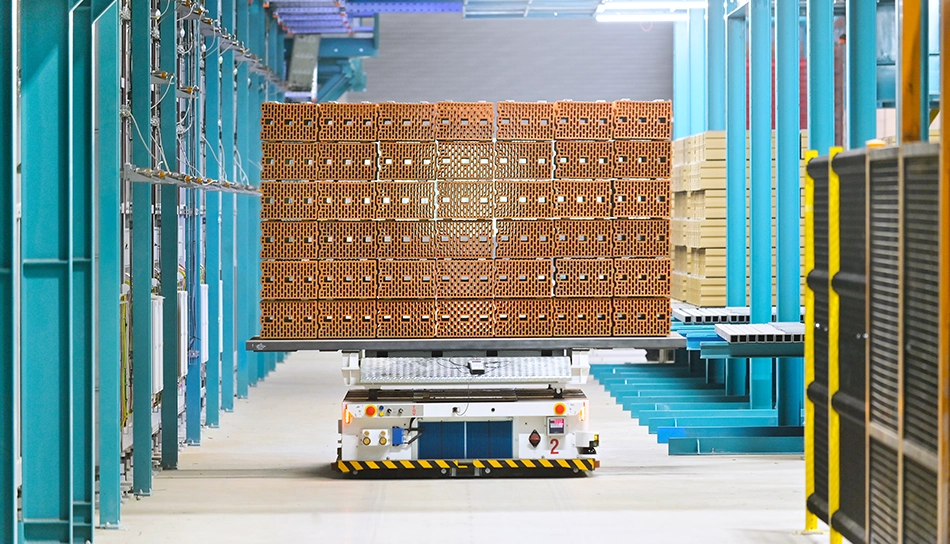
Bricks are transported by a vehicle on the grounds of the wienerberger plant in Uttendorf (photo)
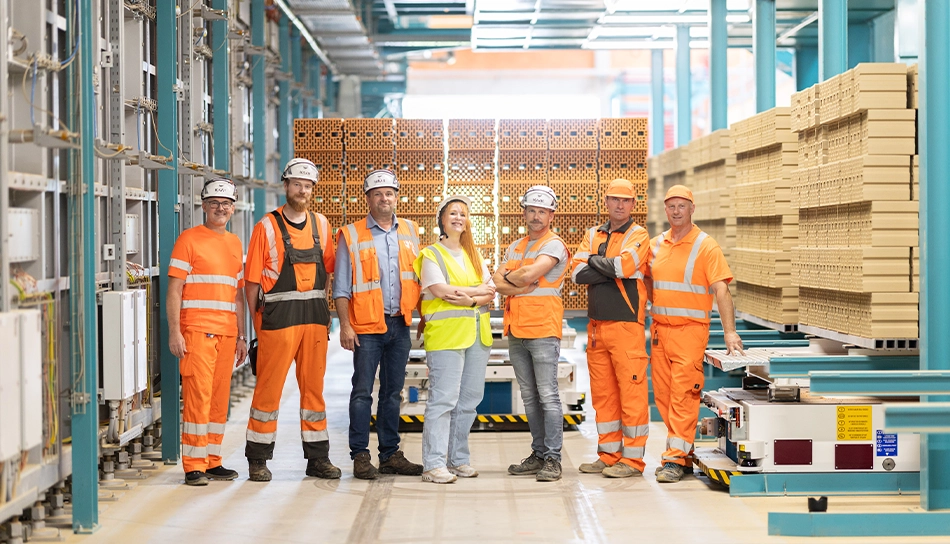
Several employees standing on the grounds of the wienerberger Uttendorf plant in front of a transport vehicle (photo)
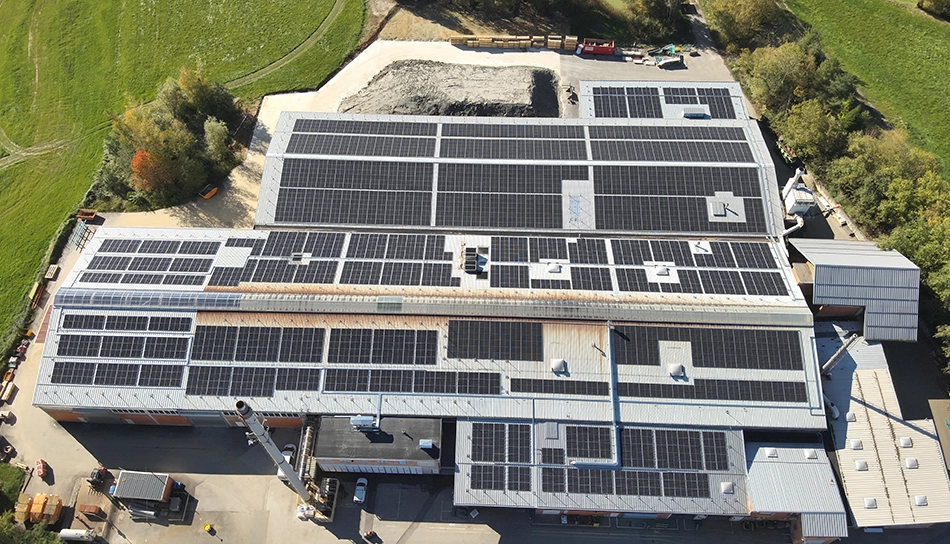
Roof of the wienerberger Uttendorf plant with installed photovoltaic panels. (photo)

At the Uttendorf plant in Upper Austria, wienerberger has replaced its gas-fired kiln with the world’s first electric kiln for backing wall bricks, powered 100% by renewable electricity.

After one year of sustainable brick production, the wienerberger plant in Uttendorf, Upper Austria, takes stock: The use of the world’s largest industrial electric kiln for hollow bricks – replacing a gas kiln – has improved CO2 emissions by 75%, setting new standards in CO2 reduction and sustainability. This corresponds to savings of up to 7,000 tons of carbon dioxide per year.

Furthermore, energy consumption has been reduced by one-third. This achievement is based on a combination of an electrified firing process, heat pumps, optimized drying, and 100% renewable electricity. In the future, energy consumption is expected to fall below 200 kilowatt-hours per ton of bricks.

Read more at wienerberger.com
GreenBricks cuts the carbon emissions generated in production by

75 %

The production process requires

30 %

less energy

The percentage of green electricity used:

100 %

Building envelope

Roofs with multiple benefits

Sustainable energy generation, economic benefits, and a high degree of design flexibility: wienerberger offers intelligent solar solutions for new build and renovation.

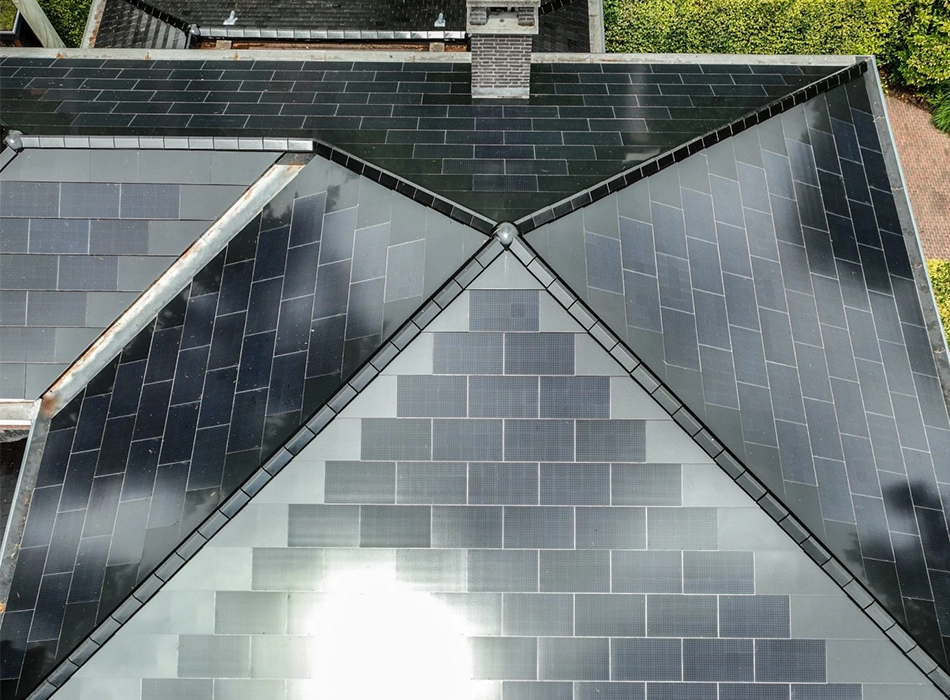
A bird's-eye view of a roof fitted with solar roof tiles (photo)

Roof solutions for new build and renovation

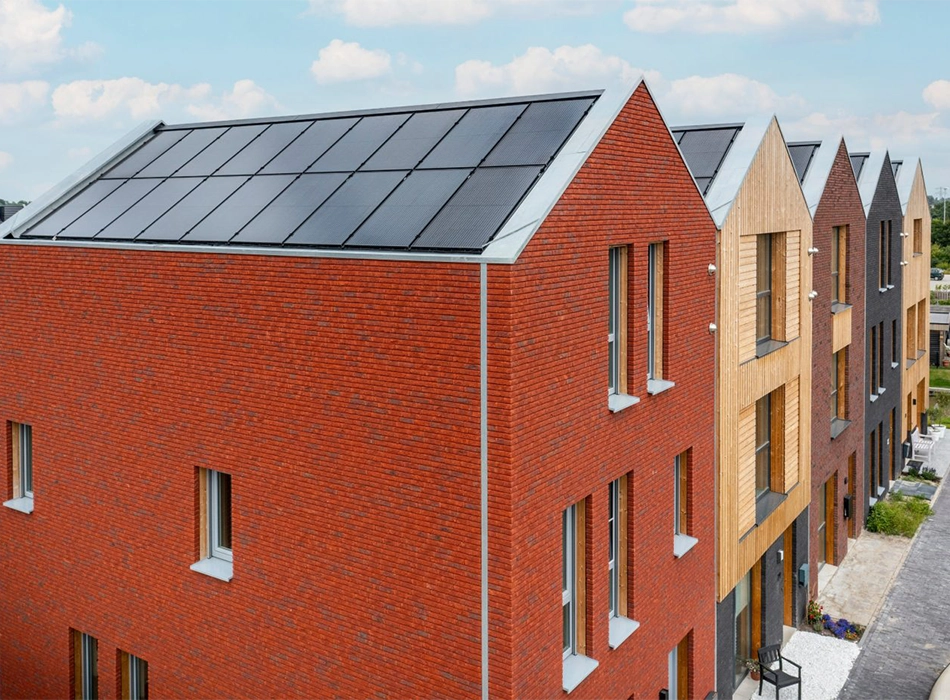
Building complex with a photovoltaic system on the roof (photo)

From conventional modules to solar roof tiles, we provide the right solution for every roof type.

Solar installations not only contribute to sustainable energy generation but also offer users financial benefits and energy independence. In a growing market, wienerberger plays a key role as an expert in sustainable roofing and energy management solutions.

Through the acquisition of Terreal in 2024, a European provider of solutions for roof renovation and refurbishment, we have expanded our expertise in the roofing segment with specialized expertise in solar technology.

Optimal solar solutions for every surface

As a result, we are now able to offer country-specific, end-to-end solutions that meet the latest technological standards and are easy to install, functional, aesthetically appealing, and sustainable. From cost-efficient standard modules to high-end solutions such as solar roof tiles that adapt optimally even to complex roof geometries, we offer a broad portfolio for every roofing situation – whether new build or renovation. Digital tools support the planning and management of photovoltaic roofing systems.

Sustainability

Biodiversity ambassadors at wienerberger

From surveying local wildlife to raising awareness: biodiversity ambassadors promote biodiversity at our production sites.

wienerberger biodiversity ambassadors support wildlife and ecosystems at production site (photo)

So far, 422 biodiversity ambassadors have been trained

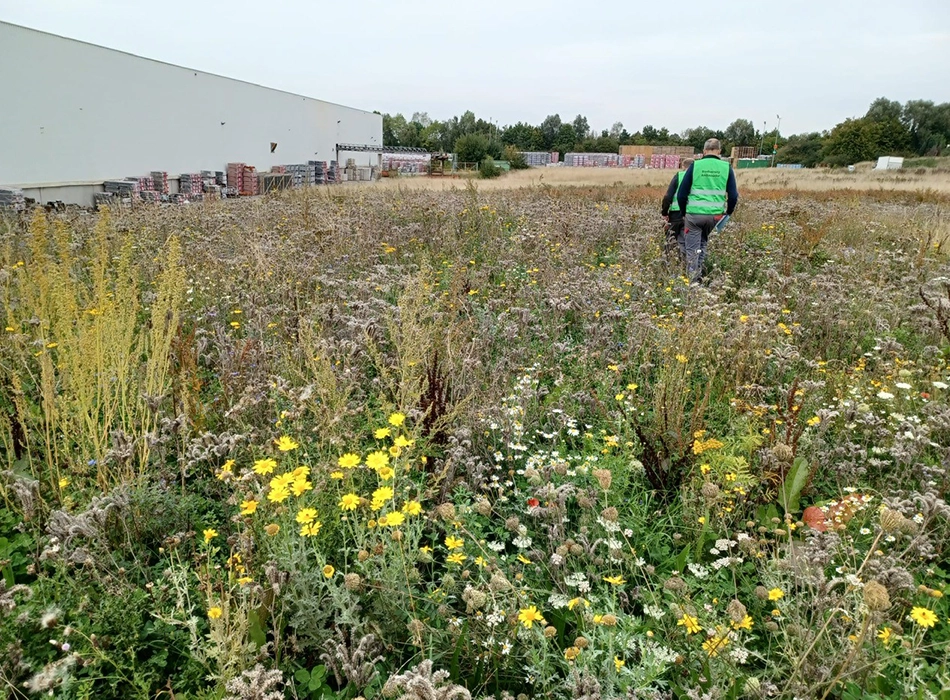
The wienerberger Biodiversity Ambassadors walking across a field at the production sites. (photo)
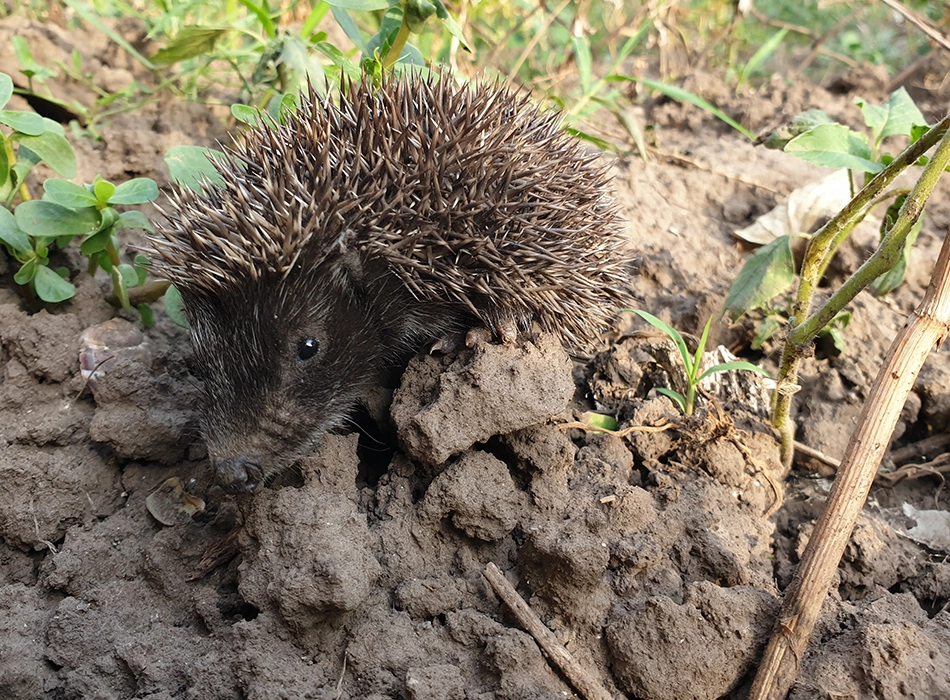
Small hedgehog on the ground (photo)

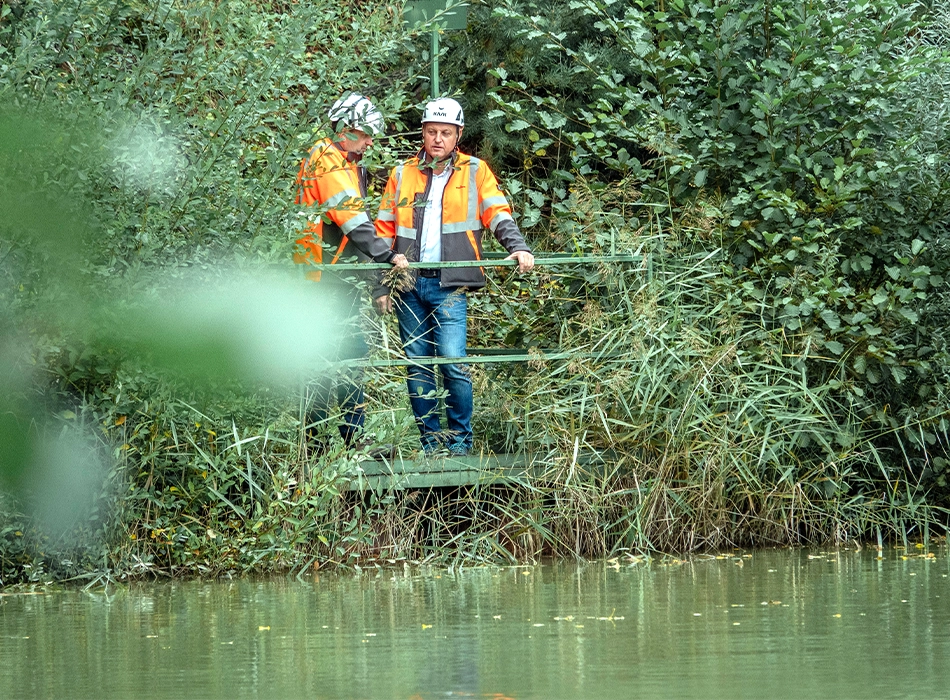
At each of our production sites, biodiversity ambassadors contribute to protecting natural habitats and biodiversity.

What do wienerberger’s biodiversity ambassadors do? Biodiversity ambassadors protect and enhance biological diversity at wienerberger. They monitor animal and plant life on site, identify areas for action, and, in coordination with our biodiversity action plan, propose specific measures such as insect hotels, wildlife-friendly lighting, or the renaturation of clay pits.

The wienerberger biodiversity ambassadors fight for the future of all living things at the production sites. In addition to their main job, they monitor the flora and fauna at the site and draw attention to any challenges. They know what is going on in terms of biodiversity at their location and share their knowledge with others, in the process creating a community.

Read more at wienerberger.com